


Since your baby’s head is still developing, their skull bones are soft and flexible. That’s why you might notice that your little one is having an infant head flattening when they lie on their back for too long. This is common and usually harmless, so don’t worry. You can try using a newborn carrier for dad so they don’t have to lie on their back a lot and you can hold them upright for a short while.
In this article, you will learn what causes flattening on your baby’s head, when to reach out to a pediatrician, and how to use tummy time and gentle repositioning. You will also find out helpful ways to protect your baby’s head shape and when your baby might need helmets and physical therapy.
Understanding Positional Plagiocephaly: What Causes Infant Head Flattening?
Your newborn can have an infant head flattening if they rest on the same area of their head for too long. If you let your baby lie on their back for a long time, a flat spot can form on one side or the back of their head. They may also have a flat spot if they spend so much time in containers like car seats, swings, or bouncers. This condition is called positional plagiocephaly.
Your baby can also experience head flattening if they have muscular torticollis. This condition can cause them to have tight neck muscles that can make it hard for them to turn their head fully, so they have no choice but to rest on one side of their head always. Using a newborn carrier for dad can help you prevent your baby from developing a flat spot on their head.
The Critical Timeframe: When Does Head Flattening Usually Occur and Why?
Usually, your baby gets infant head flattening in the early months because their developing skull is still soft and can easily be shaped by daily positions. Your baby has limited neck muscle control and spends a long time lying on their back, causing their head to rest on one side and putting some pressure that is enough to develop a flat spot.
In order to stop putting pressure on your baby’s head, spend some time bonding with your baby using a carrier for infants, like a newborn carrier for dad. If you carry your baby, they don’t have to rest on their back and on the same area of their head all the time. After 6 months, your baby will begin to have better head control and the flattening also usually stops worsening.
Distinguishing Normal Variation from a Cause for Concern: When to Call the Pediatrician
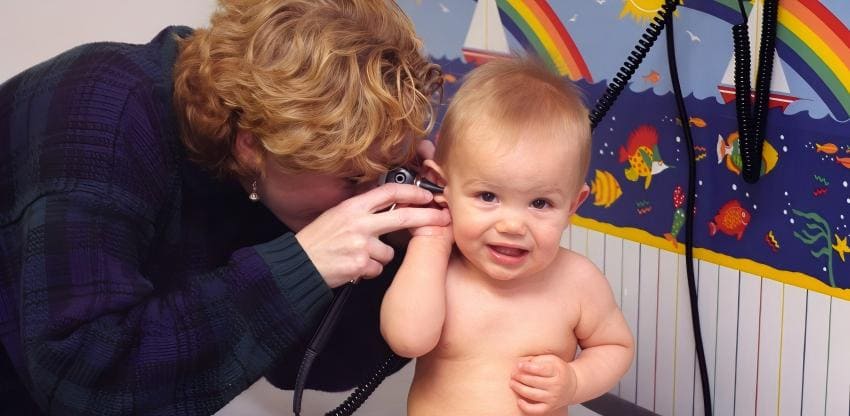
Having an infant head flattening or a positional plagiocephaly is usually harmless, but it’s still important to consult a healthcare provider to rule out rare conditions and know what to do about them. If there is a flat spot on your baby’s head that gets flatter, or if they struggle to turn their head equally in both directions, you need to reach out to a pediatrician.
If you already tried tummy time and repositioning techniques, or use a newborn carrier for dad to hold them upright but see no improvement on your baby’s head shape, you need a doctor to check on your baby thoroughly. Seek a specialist if your baby’s facial features look uneven, such as a bulging forehead on one side or one eye that seems smaller than the other.
Tummy Time and Repositioning Techniques: Practical Strategies for Prevention
To prevent infant head flattening from happening, you can try doing tummy time and repositioning techniques. These strategies can relieve the constant pressure on your baby’s head and reduce the possibility of developing flat spots. Follow these tips below to get started:
- Start tummy time early: Let your baby rest on their stomach 1 to 2 minutes a few times in a day and gradually increase it to 30 to 60 minutes.
- Make your baby’s play interactive: Use toys or mirrors to encourage your baby to lift their head, or you can bond with them by getting down to their eye level while they are resting on their tummy.
- Do alternative positions when your baby is sleeping: While your baby is sleeping, make sure to place their head in different directions to avoid consistent pressure on one spot of their head.
- Change holding positions: If you’re feeding your baby or if you’re just holding them to soothe them, switch the arm you’re using with your other arm when you’re carrying them. To reduce arm strain, you can use a newborn carrier for dad.
- Limit time in containers: Don’t let your baby stay in car seats, swings, or bouncers for too long.
Safe Sleeping and Container Use: Balancing Recommendations to Protect Head Shape
It is important for your baby to lie on their back on a firm, flat surface when sleeping to follow life-saving safe sleep guidelines. Because of this, you may find it tricky to do a safe sleeping position while still protecting your baby’s head shape. However, you can still do it by giving your baby short sessions in a newborn carrier for dad while they are awake.
When you need to put your baby down during the day, you can place them on their tummy on a play mat or a play pen to strengthen their muscles and allow them to freely move. If you chose to use containers, such as car seats, swings, and bouncers, you should only use them briefly. Do not let them stay there for a long time to help prevent infant head flattening.
Advanced Interventions: When Helmets and Physical Therapy Become Necessary
In most cases of infant head flattening, simple tummy time and repositioning techniques can help lessen the flat spots on the baby’s head. However, some babies need extra professional help, like physical therapy, when those strategies don’t work. If your baby is suffering from tight neck muscles, a therapist can help them by providing exercises that you may do with your baby while carrying them in a newborn carrier for dad.
There are also cranial molding helmets that can give mild, constant pressure to bulging parts of your baby’s skull while allowing the flat areas to round out. It can be helpful if your baby’s head flattening is moderate to severe. This method is used if your baby’s head shape isn’t improving by 4 to 6 months of age even after repositioning and undergoing physical therapy.
Dispelling Myths: What Does and Does Not Cause Head Flattening?
There are many myths about the causes of infant head flattening. The table below explains the common myths and facts about head flattening, including its causes:
| Myths | Facts |
| Head flattening can affect your baby’s brain development and intelligence. | When the flattening in your baby’s head is caused by positioning, the brain grows normally and there won’t be developmental delays. |
| If your baby sleeps on their back, permanent head flattening will happen and can never improve. | Infant head flattening is treatable, especially with early repositioning techniques. Your baby’s head shape can improve as they sit or move more. |
| Using anti-flat head pillows are safe and effective in the crib. | Your baby should rest on their back without any pillows in their crib to prevent Sudden Infant Death Syndrome (SIDS) and suffocation risks. |
| Your baby should sleep on their stomach or side to avoid head flattening. | Back sleeping should always be used when your baby is sleeping. You can only reposition them on their tummy when they are awake. |
| The flattening happens because the fontanelles (soft spots) close too early. | This is a rare condition that is called craniosynostosis. Positional plagiocephaly happens when open, normal fontanelles experience pressure. |
| Only older babies who are learning to crawl are allowed to do tummy time. | Your baby should begin tummy time early from day one in short, supervised sessions to prevent head flattening and build essential motor skills. |
By knowing what is myth from what is fact about infant head flattening, you can feel more at ease and you can support your baby’s growth better. You can also observe their progress more closely if you hold them close using a newborn carrier for dad.
Long-Term Outlook: Addressing Parental Anxiety and the Future of Your Child’s Head Shape
If your baby has an infant head flattening, you may be worried about what their head shape will look like in the future. However, you don’t need to worry so much. In most cases, it can easily improve with simple daily habits without needing any surgery. After all, it is a common and generally harmless condition that will not impact your baby’s health or development.
In case you are still feeling anxious, you can ask a healthcare provider. They can give you guidance or reassurance that may help ease your worries. During a medical visit, you can keep your baby secure by using a newborn carrier for dad. As your baby grows, they can learn to move independently and their head shape will develop normally. If there are any uneven areas remaining, they can become unnoticeable once the hair of your baby grows.